
UA
EN
Donate
In communities of the Kharkiv region where the war has damaged medical infrastructure and doctors are in short supply, mobile medical teams remain virtually the only way to get care.
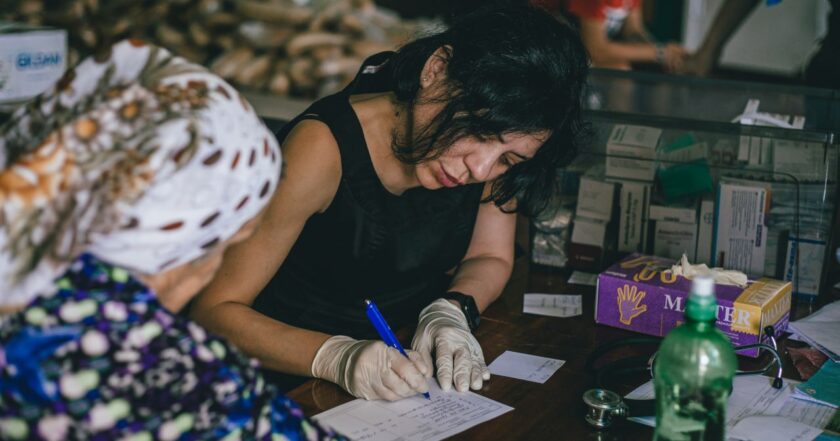
Damaged hospitals, no pharmacies, and broken logistics — this is the reality for communities in the Kharkiv region.
The war has changed how the entire social infrastructure works. In de-occupied and frontline areas of the Kharkiv region, medical facilities are often damaged, and specialist doctors are in short supply. Meanwhile, chronic illnesses don't pause for shelling.
Medics are seeing a rise in cardiovascular emergencies, worsening diabetes, and complex psychosomatic disorders. For many residents — especially older people and those with limited mobility — a mobile team is effectively their only point of access to healthcare.
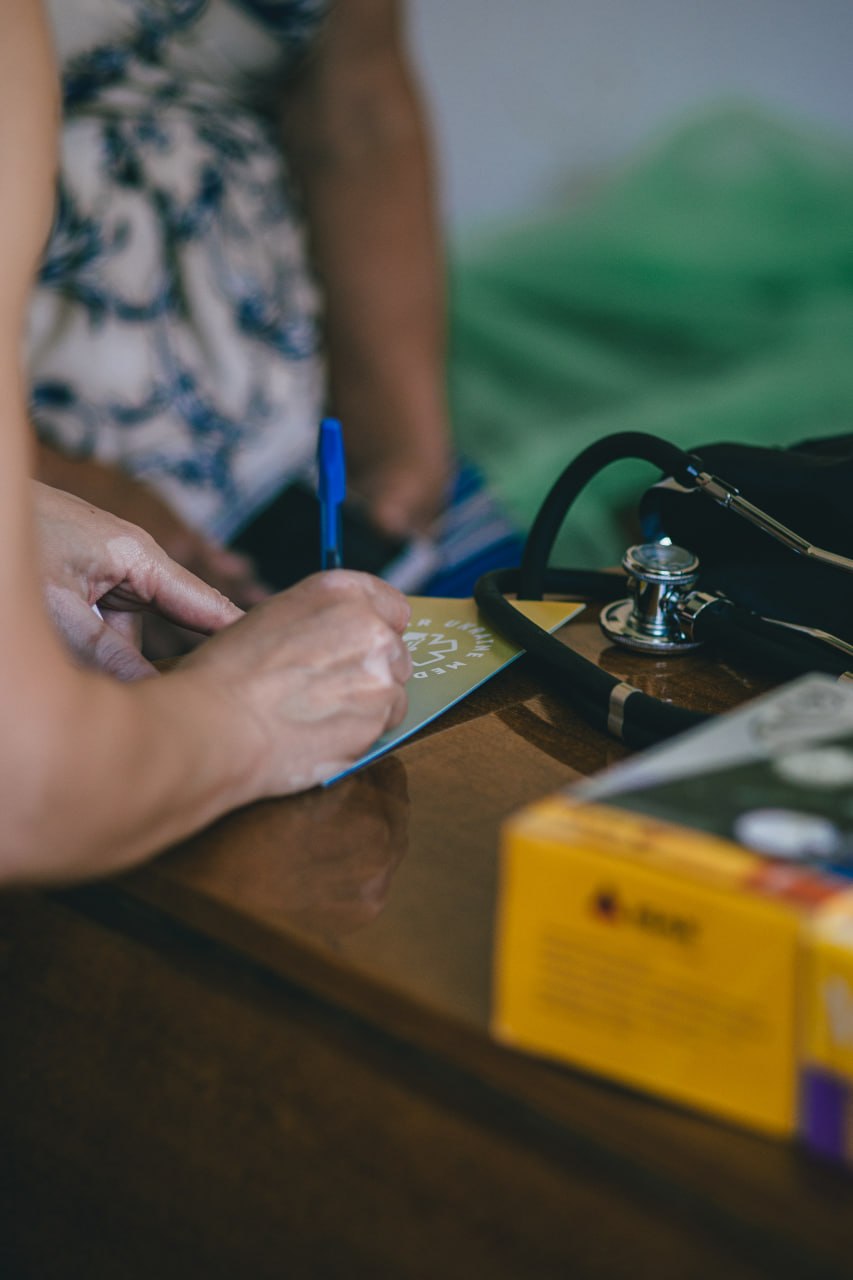
The Stellar Ukraine team works six days a week, with routes covering the region's hardest-to-reach communities.
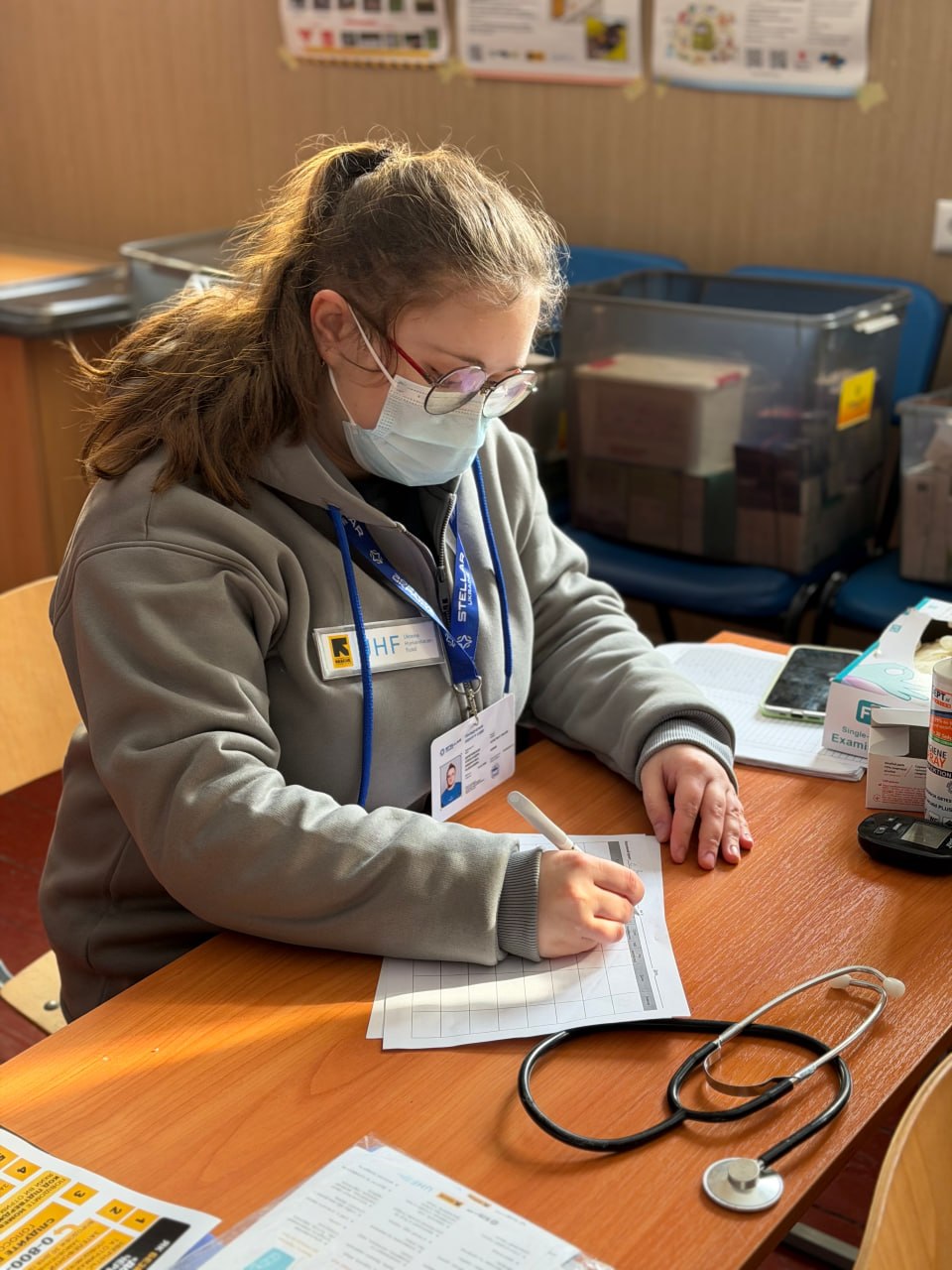

"Mobile medicine doesn't replace a hospital, but it holds the line where other systems have temporarily broken down. We ease the pressure on hospitals by keeping patients' conditions from becoming critical at the community level," says Mykola Kamchatnyi, co-founder of the Stellar Ukraine Charitable Foundation.
Patients include not only local residents but also thousands of internally displaced people. Many of them had to interrupt ongoing treatment because of evacuation, which led to complications.
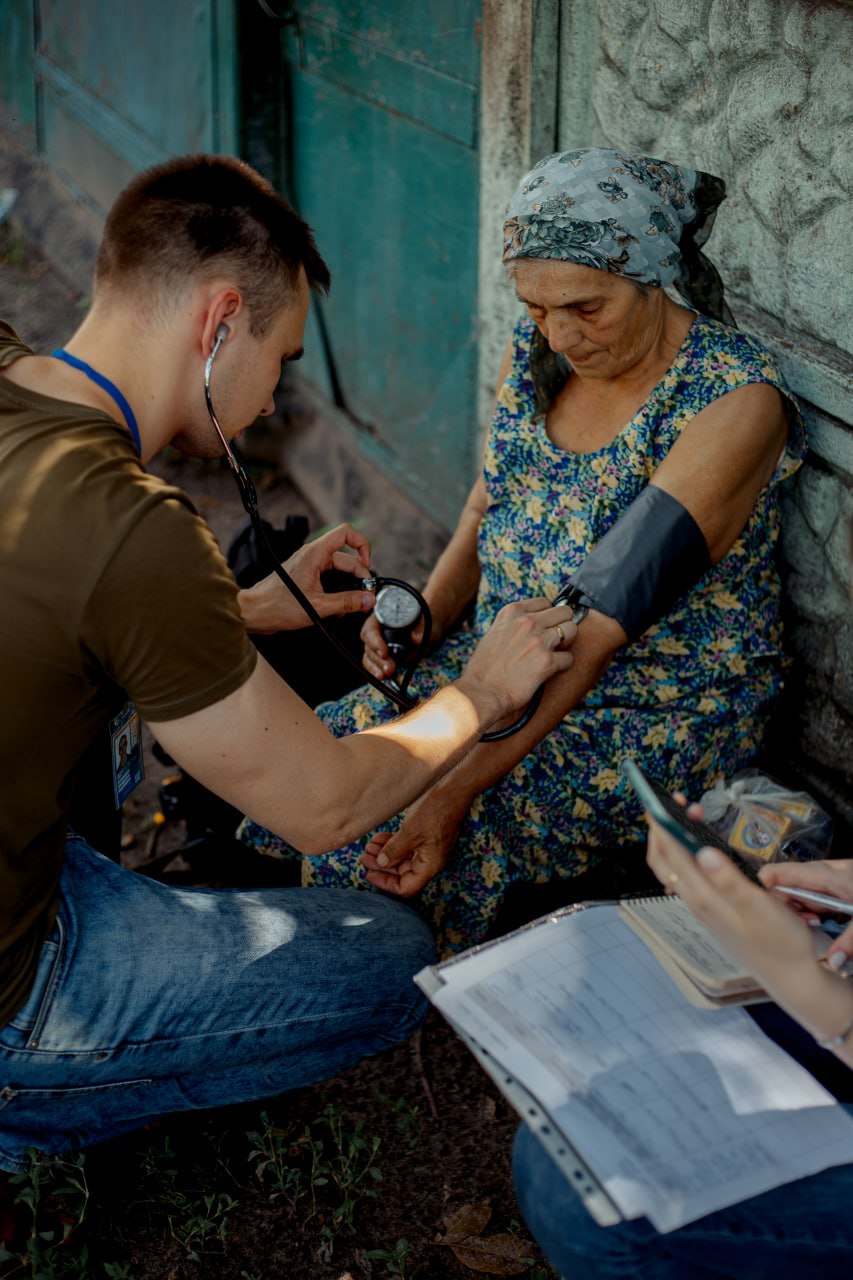
We don't just see patients — we see people who spent months living in basements without access to basic medicines. For many older people in remote villages, our visit isn't just about a prescription — it's about knowing they haven't been forgotten. Today, the work of mobile teams is about restoring dignity and the right to life where war is trying to take that right away.
It is becoming clear that mobile teams are not a temporary fix but an adaptive model that should become part of Ukraine's healthcare system. The right to medical care shouldn't depend on how close you live to the front line — and the work being done in the Kharkiv region proves this every day.
